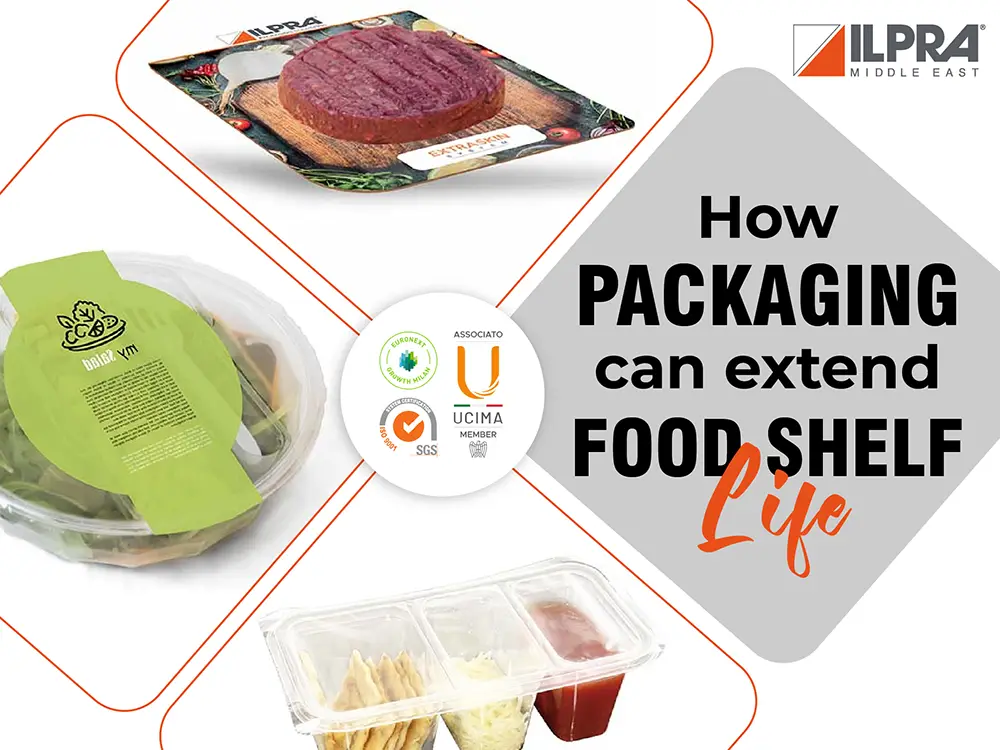
How Packaging Can Extend Food Shelf Life
Fresh food begins to change as soon as it is prepared, processed or harvested. Air, moisture, bacteria, temperature and physical handling can all affect the taste, texture, appearance and safety of the product. Good food packaging provides a barrier between the product and these outside conditions, helping manufacturers to keep food in better condition for longer.
It is important that food producers, restaurants, supermarkets and businesses that sell packaged products can understand how packaging can extend the shelf life of food. Good packaging can help cut down on unnecessary food waste by protecting products during transport and helping customers receive food in the condition the producer intended.
How Packaging Can Extend Food Shelf Life Through Better Sealing and Storage
Different foods spoil for different reasons. Fresh meat can change when exposed to oxygen, bakery products can lose moisture, while prepared meals may need protection from bacteria and outside contamination.
Packaging can help to control these conditions by creating the right environment for the product. A good seal stops unwanted air, moisture, dirt and micro-organisms getting to food easily.
Modern Packaging machines also provide food manufacturers with more control over filling, sealing, portioning and packing. Packaging method always depends on the type of food, the expected storage time, transport conditions and whether the product is to be stored chilled, frozen or at room temperature.
Reducing Exposure to Oxygen
Oxygen is one of the main reasons many foods lose freshness. It can cause oxidation, colour changes, unwanted odours, and changes in flavour.
Vacuum packaging removes much of the air around a food product before the pack is sealed. Modified atmosphere packaging can replace the normal air inside a pack with a controlled gas mixture suited to the food.
Foodpack Tray Sealers are ideal for tray-based products, especially where businesses require a reliable seal for prepared foods, meat, seafood, dairy products or ready meals.
Reducing unnecessary exposure to oxygen can slow deterioration, but manufacturers still need to follow the correct refrigeration and food safety requirements for each product.
Controlling Moisture Inside Food Packaging
Moisture control matters just as much as air control. Too much moisture can encourage mould or affect texture. Too little can cause products to become dry, hard, or stale.
The right Trays & film can be selected to provide a good moisture barrier for the product needs. Flexible and rigid packaging materials are selected on the basis of sealing performance, temperature, storage conditions and type of food to be packed.
Even simple household options such as reusable freezer bags can help reduce direct air exposure when storing suitable foods in a freezer. Commercial food production, however, normally requires controlled packaging processes and materials designed for much larger volumes.
Protecting Food Against Outside Contamination
Food can become contaminated during handling, storage, transportation, or retail display. Properly sealed packaging acts as a physical barrier that helps keep dust, dirt, insects, and unwanted contact away from the product.
For manufacturers packaging liquids, sauces, yogurt, dairy products or portioned products Fill seal Filling & Sealing Machines can support with controlled filling and secure sealing.
Formpack Thermoforming Machines andForm fill seal Thermoforming & Filling Machines are also offered to companies that produce packages directly from packaging material, depending on the product and the production process.
Packaging Helps Protect Food During Transport
Shelf life does not depend only on what happens inside the pack. Physical damage during storage and delivery can also shorten the usable life of food.
Crushed trays, punctured film, damaged seals, or leaking containers can quickly make a product unsuitable for sale. The package therefore needs enough strength to withstand handling throughout the distribution chain.
After filling and sealing, End of line & accessories can form part of a complete production setup where packs need to move efficiently through later stages of the packaging process.
Choosing Packaging for Different Food Products
There is no single packaging format that works for every food.
Fresh produce, meat, frozen food, sauces, dairy products, bakery items, snacks, desserts, and ready meals each have different requirements. Manufacturers should consider:
- Expected shelf life
- Storage temperature
- Oxygen sensitivity
- Moisture levels
- Portion size
- Transport distance
- Food safety requirements
- Packaging material and seal quality
For flexible formats, Doypack e pouch packaging can suit various food products where pouch-based presentation and storage make sense.
Food businesses should also consider how clearly the package communicates product information. Customers often want to know what are the ingredients, storage instructions, use-by dates, allergen details, and nutritional information before buying.
Shelf Life Matters for Desserts and Ready-to-Eat Foods
Desserts provide a good example of why packaging needs to match the product. A chilled dairy dessert has very different requirements from biscuits or frozen sweets.
Consumers searching for a dessert healthy enough to fit their diet may also compare portion size, ingredients, sugar, calories, and storage instructions. Brands selling healthy sweet treats or low calorie desserts therefore need packaging that protects the food while giving shoppers clear information about the product.
Good packaging cannot make poor-quality food last indefinitely. Instead, it helps preserve the quality created during production when combined with correct hygiene, temperature control, handling, and storage.
Food Packaging Equipment for Different Production Needs
Production volume also affects the choice of machinery. A small food producer may have very different requirements from a factory packing thousands of units each day.
Businesses can explore Ilpra group Packaging Equipment and other packaging formats according to product type, capacity, container style, and production goals. Ilpra’s Middle East website groups its packaging solutions into categories including tray sealing, filling and sealing, thermoforming, pouch packaging, and packaging materials.
Choosing machinery around the actual characteristics of the food gives manufacturers a better foundation for consistent packs and reliable sealing.
Keeping Food Fresh Starts With the Right Package
Knowing how packaging can extend food shelf life helps manufacturers make better decisions about storage, distribution, food quality, and waste reduction. The best solution considers the food itself first, followed by the packaging material, sealing method, storage temperature, and production requirements.
Ilpra manufactures various food packaging machines and packaging types for companies with different production needs. The right packaging process for the product can help to protect freshness from the production line through to transport, retail display and final use.
الأسئلة الشائعة
1. How does packaging increase food shelf life?
Packaging limits exposure to oxygen, moisture, contamination, and physical damage that can cause food to deteriorate.
2. Which packaging is best for keeping food fresh?
It depends on the product. Vacuum, modified atmosphere, tray sealing, thermoforming, and pouch packaging serve different needs.
3. Does vacuum packaging make food last longer?
It can extend the usable life of suitable foods by reducing exposure to oxygen when combined with correct storage.
4. Why is sealing important in food packaging?
A proper seal helps prevent leakage and reduces exposure to air, moisture, dirt, and outside contamination.
5. Can packaging prevent food from spoiling completely?
Nope. Although packaging can retard some causes of deterioration, it cannot replace good hygiene, refrigeration, handling and storage practices.