
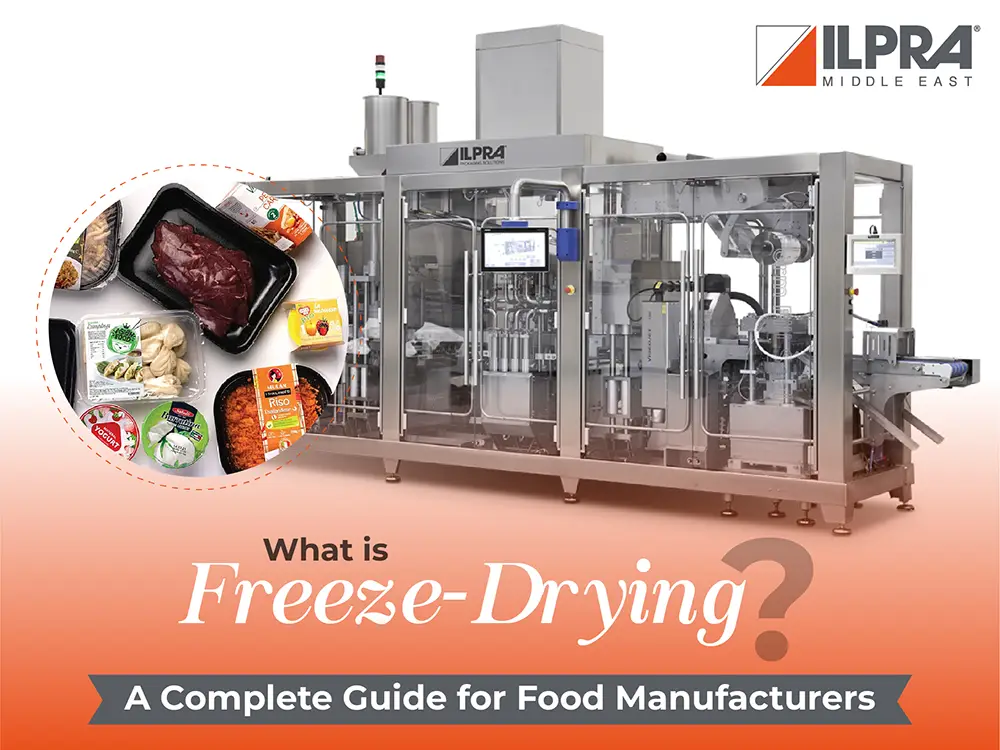
What Is Freeze-Drying? A Complete Guide for Food Manufacturers
Food manufacturers constantly look for practical ways to keep products fresh for longer without losing their original taste, colour, texture, or nutritional value. Freeze-drying has become an important preservation method for exactly this reason. From fruit snacks and vegetables to meat, coffee and ready meals, the process works with a wide range of foods.
So, what is freeze-drying? Also called lyophilisation, freeze-drying removes moisture from frozen food under controlled pressure. Instead of melting first, the frozen water changes directly from ice into vapour. This process is called sublimation. Because much of the process takes place at low temperature, much of the original structure, flavor and nutritional qualities of the food can be retained.
For the manufacturers the process can mean longer shelf life, lighter products and easier storage. But good freeze dried food production also depends on the right equipment and the right food packaging after drying.
What Is Freeze-Drying? A Complete Guide for Food Manufacturers and the Process Behind It
A commercial freeze dryer machine works through three main stages: freezing, primary drying and secondary drying.
Freezing: The food is frozen so that the free water inside it turns into ice.
Primary drying: Pressure inside the freeze dryer is lowered. Under these controlled conditions, frozen water changes directly into vapour without becoming liquid.
Secondary drying: The machine removes much of the remaining bound moisture until the product reaches the required moisture level.
The end product is porous and contains far less water than the original food. It can also soak up water rapidly upon rehydration if desired.
This process has applications across commercial packaging, food processing and long-term product storage.
What Foods Can Manufacturers Freeze-Dry?
One advantage of freeze-drying is the wide range of products that manufacturers can process. Common examples include:
- Freeze dried fruit – strawberries, bananas, apples, berries and fruit pieces
- Freeze dried vegetables – carrots, mushrooms, tomatoes, peppers and peas
- Freeze dried meat – beef, chicken, fish and other properly prepared meat products
- Coffee, tea and other instant beverages
- Herbs and spices
- Dairy products
- Cooked grains, pasta and legumes
- Ready meals and snack products
Freeze-drying is therefore useful for manufacturers serving retail, outdoor food, emergency food, ingredient and ready-meal markets.
How to Freeze Dry Fruit for Commercial Production
Manufacturers researching how to freeze dry fruit need to consider much more than simply freezing fresh produce.
Fruit first needs proper selection, washing and preparation. Depending on the product, it may be sliced or cut into uniform pieces. Consistent sizing helps the drying process work more evenly.
When the fruit is ripe, it is loaded into the freeze dryer machine and moisture is removed from the fruit during a controlled freezing and drying process. After processing, manufacturers have to protect the dried fruit from moisture and oxygen, using suitable trays & film, pouches or sealed packs.
Is Freeze Dried Fruit Healthy?
A common consumer question is: is freeze dried fruit healthy?
Freeze-drying can maintain much of the fruit’s color, flavor and structure and preserve many nutrients and plant compounds. Healthline covered research that found freeze-drying can retain antioxidants such as anthocyanins, flavonoids and vitamin C, better than other drying methods.
However, the final nutritional profile still depends on the original fruit and whether manufacturers add sugar or other ingredients. Product labels should clearly state what the pack contains.
Freeze Dried vs Dehydrated: What Is the Difference?
The freeze dried vs dehydrated comparison mainly comes down to how moisture is removed.
Traditionally, dehydration involves the use of heat to evaporate the water. Freeze-drying involves first freezing the product and then removing the water by sublimation under reduced pressure.
Freeze-dried products often retain their shape and structure better and rehydrate quickly because of their porous structure. Dehydrated foods in the traditional sense may be denser and have a different texture.
The right method depends on the product, required shelf life, production budget, desired texture and target market.
Why Packaging Matters After Freeze-Drying
Removing moisture is only part of the job. Once food leaves the dryer, manufacturers need to limit its exposure to moisture, oxygen and other outside conditions.
The right packaging machines and materials are essential to maintain product quality during storage, transport and retail handling.
Depending on the food and pack format, manufacturers can select from FoodPack tray sealers, Fill Seal filling & sealing machines, FormPack thermoforming machines, Form Fill Seal machines, Doypack & Pouch solutions, flexible film packaging, food packaging film and End of Line & Accessories.
Ilpra Middle East supplies packaging equipment for different food production requirements. Its range includes tray sealing, filling and sealing, thermoforming, flexible pouch packaging and end-of-line equipment.
For manufacturers, matching the packaging format to the product is important. A crunchy fruit snack may need a different pack from powdered ingredients, prepared meals or freeze dried meat.
Benefits of Freeze-Drying for Food Manufacturers
Freeze-drying offers several practical advantages for commercial food production:
- Helps extend product shelf life by reducing available moisture
- Retains much of the food’s original colour, flavour and structure
- Produces lightweight foods that are easier to transport
- Works with fruit, vegetables, meat, meals, beverages and other foods
- Allows many products to rehydrate quickly
- Creates opportunities for snack, ingredient and long-storage food ranges
Lower water activity can restrict the growth of many bacteria, yeasts and moulds. However, freeze-drying does not reliably kill all harmful microorganisms. Manufacturers still need proper food safety controls, particularly when dealing with raw meat or eggs.
Choosing the Right Freeze-Drying and Packaging Setup
A suitable production line depends on output, product type, portion size, packaging material and storage requirements. Manufacturers should assess the capacity of the freeze dryer, drying time, energy use and final moisture target before investing.
Packaging should receive the same attention. Ilpra Group packaging equipment, FoodPack, Fill Seal, FormPack, Form Fill Seal, Doypack e Pouch, Trays & Film, and suitable end-of-line systems can form part of a wider food packing operation, depending on the product and required format.
When drying and packaging work together, manufacturers have better control over product quality from processing through to the finished pack.
الأسئلة الشائعة
1. What is freeze-drying?
In freeze-drying, moisture is removed from frozen food by changing ice directly into vapor under controlled pressure.
2. What foods can be freeze-dried?
Fruit, vegetables, meat, dairy products, herbs, coffee, cooked grains and prepared meals can all be freeze-dried.
3. Is freeze dried fruit healthy?
It can retain many nutrients and plant compounds, although the final nutritional value also depends on added ingredients.
4. What is the difference between freeze dried vs dehydrated food?
Freeze-drying uses freezing and sublimation, while conventional dehydration usually relies on heat to remove moisture.
5. Does freeze-dried food need special packaging?
Yes. Suitable moisture- and oxygen-resistant packaging helps protect product texture, flavour and shelf life after processing.